|
By Creezy Courtoy IPF Founder and World Perfume History Teacher The Lotus holds deep common symbolic and spiritual significance of Rebirth, Purity, and the Divine in both Ancient Egyptian and Indian cultures. In Ancient Egypt, the blue lotus (likely Nymphaea caerulea) symbolized the sun, rebirth, and the cycle of life. It was associated with the sun god Ra, as it opens in the morning and closes at night, as a plant emerging from the primordial waters (Nun), bringing forth the first light. In India, the pink lotus (Nelumbo nucifera) symbolizes purity, spiritual awakening, and detachment from the material world. It’s linked to gods like Lakshmi, Vishnu, and Brahma, who are often depicted seated on a lotus, as rising unsullied from muddy waters, symbolizing enlightenment and transcendence. While Egypt and India developed their lotus symbolism independently, there were ancient trade and cultural exchanges via the Persian Empire, Mesopotamia, and the Perfume Roads. Symbolic ideas (like sacred plants) may have influenced each other over centuries. Buddhism, which emerged in India, spread to Egypt during the Greco-Roman era (especially in Alexandria), and Egyptian mystery religions also influenced early mystic traditions. Botanically, they’re from different genera, but their growth pattern (rising from muddy water) gave rise to similar meanings. National Flower of India The lotus is India’s official national flower, chosen for its strong cultural and spiritual presence across the country. It represents resilience, strength, and peace. In Art and Architecture, you’ll see lotus motifs in Indian temples, fabrics, sculptures, and paintings. A famous example is the Lotus Temple in Delhi — a Bahá’í House of Worship shaped like a blooming white lotus, symbolizing unity and harmony among all people and religions. In Language and Literature, you'll find in Sanskrit and many Indian languages, poetic references to lotus eyes, lotus feet, or lotus hearts are common - all expressing beauty, grace, or spiritual connection. Symbol of Purity and Enlightenment The lotus grows in muddy waters, yet it rises above the surface to bloom pristinely. This makes it a symbol of purity, spiritual awakening, and detachment — remaining untouched by impurity while blossoming beautifully. Sacred in Religions, for Hindus, the lotus is associated with several deities, especially: Lakshmi, goddess of wealth and beauty, who is often depicted sitting or standing on a lotus. Brahma, the creator god, is said to have emerged from a lotus growing from Vishnu’s navel. It represents divine birth and cosmic energy. For Buddhists, the lotus signifies the path to enlightenment - the idea of rising from suffering (mud) and blooming into awareness and wisdom. For Jainists, it also appears in symbols and iconography, particularly in depictions of Tirthankaras. In essence, the lotus is more than a flower in India - it’s a symbol of rising above, of beauty born from struggle, and of inner divinity. The Scent of the Lotus: A Fragrant Mystery Delicate & Ethereal The lotus has a light, airy, and slightly sweet fragrance - often described as fresh, watery, and soft. It’s not overpowering like jasmine or rose, but subtle, like the whisper of something ancient. Spiritual Undertones In many traditions, the lotus scent is believed to elevate consciousness - making it common in meditation oils and temple incense. It carries an energy of calm, purity, and transcendence. Aromatherapeutic Qualities Blue or Pink Lotus essential oils are prized in aromatherapy promoting relaxation and serenity. Used in chakra healing, especially the crown chakra, it helps in releasing emotional blockages and connecting to inner wisdom. Different Types, Slightly Different Scents Pink Lotus (Nelumbo nucifera): Mildly sweet, fresh, and floral. Blue Lotus (Nymphaea caerulea): Slightly more narcotic, rich, and musky-sweet; sometimes even said to have aphrodisiac properties. Rare and Precious in Perfumery, the true essence of lotus is rare and expensive, often found in high-end perfumes and sacred oils. Scent Profile: Indian Lotus Flower (Nelumbo nucifera) The scent of lotus is serene, otherworldly, and emotionally cleansing. It’s not about seduction - it’s about awakening. Like a breath of stillness in a temple at dawn. Fragrance Family: Floral – Aquatic – Soft Green Top Notes: Fresh Rainwater – clean, airy, translucent Crisp Green Petals – soft vegetal notes, almost dewy Hint of Anise or Melon – subtle sweetness, ethereal lift Heart Notes: Delicate Petal Accord – mildly sweet floral, light and cool Soft Powder – clean, slightly creamy, like morning skin White Tea or Bamboo – meditative, Zen-like calm Base Notes: Soft Musk – grounding and skin-like Amber Water – barely-there warmth, like sunlit water Sacred Earth – faint touch of sacred soil or sandalwood undertone (especially when infused into oils) Scent Profile Egypt Lotus Flower (Nymphaea caerulea)
The fragrance is ethereal, sensual, and slightly hypnotic, often described as calming and meditative. It’s not overpowering but rather unfolds gently, like a mist over water. It’s been historically used in rituals and perfumes for its soothing and euphoric properties. Top Notes: Lightly citrusy Fresh and green - a bit aquatic, reminiscent of a clean pond or rain-drenched leaves. Heart Notes: Floral and exotic - the core of the scent is sweet and subtly narcotic. Tropical and slightly fruity - evokes a sense of heady sweetness akin to jasmine, tuberose, or even ripe apricot. Anise-like undertone - very faint, adding to the dreamy, mysterious quality. Base Notes: Powdery and resinous Earthy and soft balsamic - with a very light musky nuance, not animalic but grounding.
0 Comments
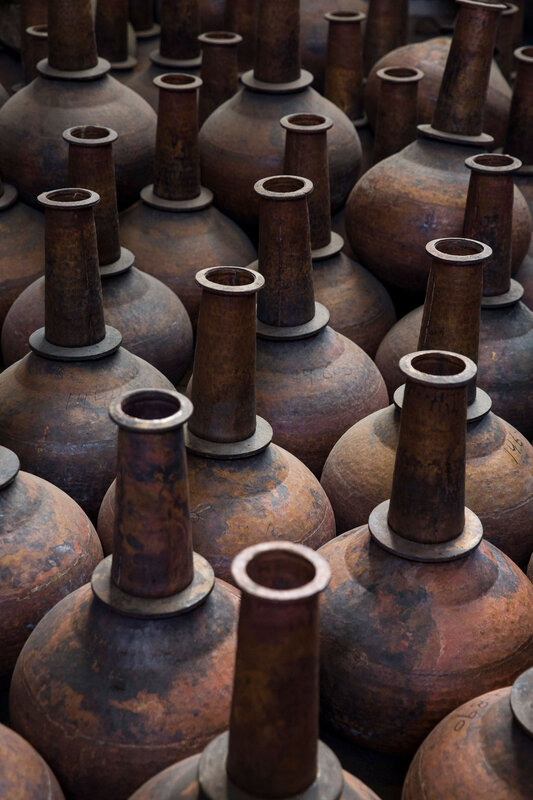
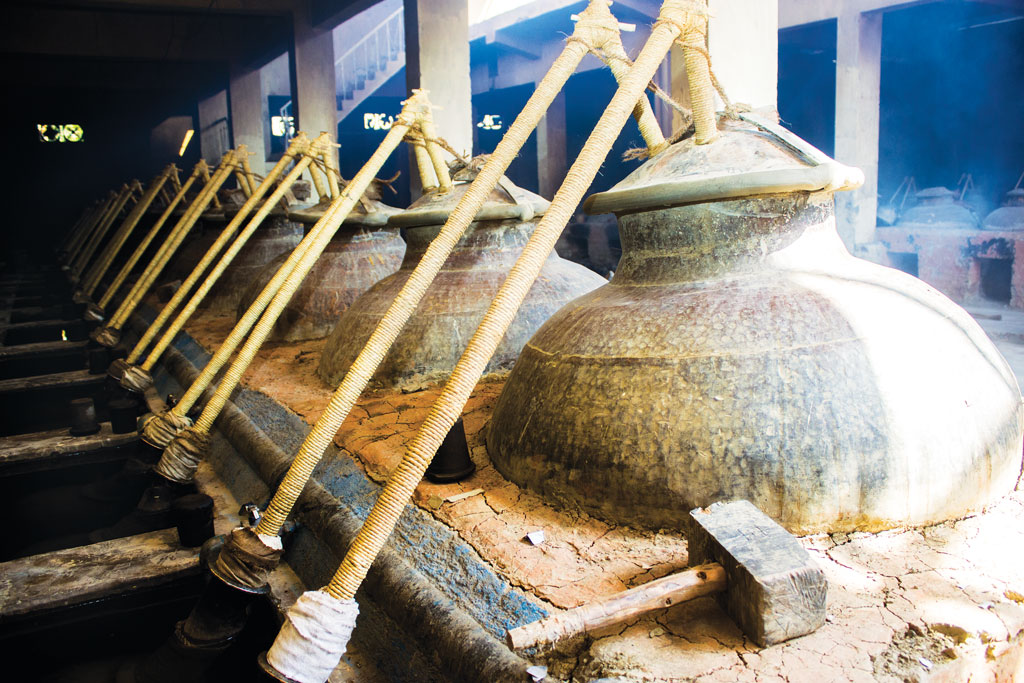
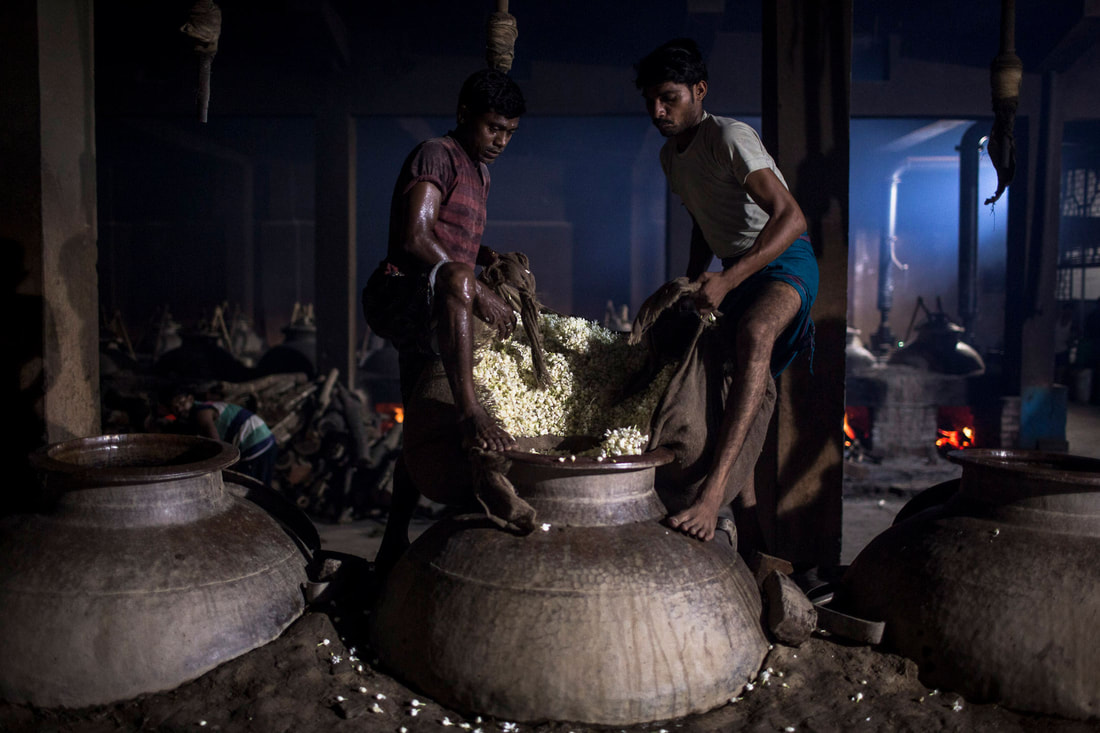
By Creezy Courtoy Perfume Historian, Anthropologist and Teacher India, renowned as the "Country of a Thousand Perfumes," is a vast land with a rich history deeply entwined with the art of perfumery. This title is well-earned due to the country's extensive cultural rites and religious traditions, which have fostered a profound appreciation for fragrances. Indian literature and daily life are richly imbued with poetic, perfumed legends, and the rituals involve offerings of flowers and scents to the gods as tributes during religious festivals. In ceremonies, statues of deities are cleansed with scented waters, and spaces are perfumed with rosewater, vetiver, saffron, and blanketed with blossoms. Life's pivotal events in India, from weddings to funerals, are enveloped in aromatic smoke, symbolizing a continuity of tradition. The bustling markets of India are a sensory feast, full of vibrant colors and the intoxicating aromas of countless spices and perfumes. Incense burns in abundance, and gifts of flowers and fragrances are tokens of hospitality and friendship. Perfume, known as "attar" in Hindi, plays an essential role in everyday life, symbolizing health, purity, beauty, and spiritual virtues. Indian women traditionally use kohl to enhance their eyes and indulge in scented baths, anointing themselves with oils like rosewood and tuberose, setting their hair with jasmine, and adorning their faces with floral nectars. Perfumery is esteemed alongside science, medicine, and arts; according to ancient texts, it fulfills the earthly goals of religious devotion, material prosperity, and sensory delight. Temples, or "gandha-kuti," are perfumed rooms dedicated to worship. Vedic scriptures, dating back 3,500 years, describe the fumigation of aromatic woods, linking perfumery with spiritual practices. Each God in Hindu mythology is associated with specific flowers, which devotees offer during worship. India abounds with raw materials essential for perfumery, including mace, nutmeg, cinnamon, clove, ginger, lemongrass, pepper, basil, patchouli, vetiver, jasmine, tuberose, roses.... Among these, sandalwood, considered the sacred national tree, has been cultivated for over 4,000 years. Its aromatic wood is essential for religious ceremonies and holds significant cultural value. The art of distillation, possibly refined under the influence of Persian advancements, is attributed to Indian origins. According to legend, the Indian princess Nūr Jahān discovered the process leading to modern distillation techniques. Akbar, the "Perfume Emperor," who ruled from 1556 to 1605, was passionate about scents, leading to a flourishing trade in floral essences at his court. Fragrance in India is not just a sensory delight but a tapestry woven into the very fabric of its culture, playing a crucial role in its spiritual, social, and economic life, extending its influence throughout Southeast Asia. Creezy Courtoy is teaching World Perfume History Course, Anthropology of Perfume and Natural Olfaction Training By Creezy Courtoy, World Perfume History Expert and Teacher Located in Uttar Pradesh, Kannauj is a small, dusty town spreading along the banks of river Ganga. It is one such amazing place that has a centuries - old legacy of producing long-lasting perfumes and is often compared to Grasse, France. The perfumes that made Grasse popular are Jasmine, Centifolia Rose, Lavender, Orange blossom and wild Mimosa, a very different palette compared to the Sandalwood, Cedar, Heena, Jasmine, Attar Mitti, Kewda Marigold and Damascena Rose of Kannauj. The process of making perfume has been mentioned in the scriptures of Ayurveda since ancient times. In some Vedas, prescriptions of 3500 years old, mention fumigation of aromatic woods. It is written in the Vedas that when Yajnas were performed a lot of things went into it as a sacrifice. A foul smell used to emulate when meat was sacrificed, so in order to eliminate the smell aromatic ingredients were offered into the fire. Thus, the art of extracting scents from different substances began. Legend ascribes the invention of distillation to an Indian Princess named Nùr Djihân. In 1568, on the morning of her wedding with Akbar, the Mongol Emperor, Nur noticed foam vapors floating to the surface of a rosewater fountain. From then on, she understood the process of distillation, the most common way to extract essential oil from a plant. In Kannauj perfumes are prepared with the help of the hydro-distillation process. Nickel plated copper vessels are used as they do not rust. 1. Flowers are soaked in water and heated in containers 2. Condensers are filled with oil. 3. On boiling, the vapour of the flowers passes through the hollow bamboo pipes into a condenser. 4. The oil present in the condenser absorbs the vapour’s fragrance. 5. This process continues for around five hours and excess water is separated from oil after the condenser completely cools down. 6. As per the quality of perfume, the process is continued on the same oil for 30 days. Can you ever think of using the smell of rain to make perfume?
When you set your foot into the perfume capital of India and try amazing perfumes there, it feels ‘time just stops’. Kannauj will sweep you away in an era of attars. From ancient emperors like Shah Jahan to modern Kings of the Middle East, attar, the Indian perfume is largely preferred to most high-end branded fragrances. How many fragrances can you think of when talking about attars and perfumes? Just the basic ones like a rose, sandalwood, jasmine oil and other common fragrance. Can you ever think of using the smell of rain to make perfume? Villagers at Kannauj can make this possible by reproducing the aromatic fragrance of rain. Have you ever heard of Attar Mitti ? Attar Mitti, also known as itr–e–khaki is one of the unique attars found in Kannauj The redolence of this attar has a sweet blend of woody note of the Sandalwood and an earthy smell of clay. Attar Mitti is a co distillation of earthen clay pots with the steam bearing the scent of the soil, the clay is infused over sandalwood oil. Over several rounds of distillation / infusion the base oil is imbibed with the smell of the clay till it starts smelling of petrichor. The attar known as Attar Mitti is fancied by end consumers trying to get as close to the olfactory sense of the rain. It also is used by the perfumers to inculcate an earthy note in their perfume compositions. Are you looking for more knowledge about India Perfume History ? Enrol for Creezy Courtoy's World Perfume History Master Class |
Archives
October 2025
Categories
All
|
RSS Feed