|
By Ana Elena Sastrias, Natural Perfumer and Aromatherapy Teacher The Language of Scent: Powerful Trigger of Memories and Emotions The Olfactory Experience of perceiving scents and the use of language for describing
scents have been present in all Ancient Civilisations and in this era. This means that Olfaction has been the most important sense used for survival, communication, protection, healing, and beauty, used in sacred rituals ceremonies and connection to the Divine. Since pre-history, human beings discovered fire, and then, the fascinating experience of smelling the particles of wood and resins being burned through smoke. The word “Perfume” comes from this concept in Latin “Per - fumum” that literally means “through smoke”. In Literature, the language of scent has been used to describe events, places, persons, gardens, palaces, dresses, the country-side, the misery and the richness, the sacred places, the abundant places, the simple places that trigger our memories, all in descriptive, poetic, and historical ways. We have used Language to describe the reality around us and pass the experience to others, by categorisation of plants and flowers, olfactory properties, health properties, and uses in other aspects of our lives, like traditions. Additionally, we have used Scents as well as Body Language for Healing and Sacred Ceremonies to communicate with our inner-self and align better with Nature. In pre-history and ancient history, humans had a bigger Limbic System in our brain than today's human beings. The Limbic System is responsible for managing our Memory, Emotions and Identification. In this era of immediacy, screen interaction, isolation, scent restriction or phobia, we are evolving with the risk of developing a smaller Limbic System and this is already bringing a society that does not retain concepts or places or historical factors, and also a society that has less empathy and less need for identifying with others and identifying risks by themselves without the use of technology. Society is been driven by Visual Communication mostly, while one sense is being on demand, this eclipses the other senses. Aromatherapy has been part of a millenary wisdom and it is very much linked to the Connection with Nature, using this wisdom to identify healing plants and flowers and different methods of healing. Natural Aromatherapy is defined by the use of Natural Raw Materials, not synthetic fragrances. The best Natural Aromatherapy starts by going out to a Garden, the Bush or Countryside. Experiencing the smell of the actual plants and flowers makes Olfaction a powerful tool, as the aromatic molecules will go to the Olfactory system in our brain and Limbic system, but also will act on our Sympathetic and Para-Sympathetic Nervous Systems in our body. There are various methods of Natural Aromatherapy applications like: aerial diffusions, baths, oil applications through massage, food, patches, creams or lotions, shampoos, and clay compresses. The scent and properties of each raw material, plant or essential oil will manifest in their own healing language. By using the different parts of the plant, sometimes the roots, sometimes the leaves, and sometimes the flowers, the healing therapeutic properties and methods may change. Understanding the use of essential oils, their potency, contra-indications and application methods is paramount for producing synergies that will act on specific area of our body, organ, or enhancing mood and emotional wellbeing. Plant maceration is also a method for creating oils that are not that potent as essential oils, but provide therapeutic synergies. Essential oils have to be treated carefully, always dilute before application, otherwise, only smell from the bottle. Essential oils are not meant to be drunk; they can irritate our throat and internal organs. Only specialised oil capsules can be used for internal use. Always consult your medical practitioner. Another aspect of Natural Aromatherapy is the use of reputable quality of essential oils that are neither adulterated, nor mixed with other blends or fragrances without indication for the guarantee of high degree of healing properties. Nowadays, we are blending the experience of Natural Aromatherapy with Natural Perfumes. In the last century, the focus of Perfume was aesthetic, was part of fashion and was no longer made of natural raw materials, but with synthetics and isolates. Natural Perfumery plays two roles: 1. Expressing beauty, transporting you to a place or emotion; and, 2. Bringing the therapeutic role of each accord of the Perfume construction. This blend of these two disciplines and Olfaction Training is called Natural Perfumotherapy, a new way to go in Perfumery bringing Scents to Emotions, Wellbeing and aligning us to Re-Connect with Nature. More info about Perfumotherapy
0 Comments
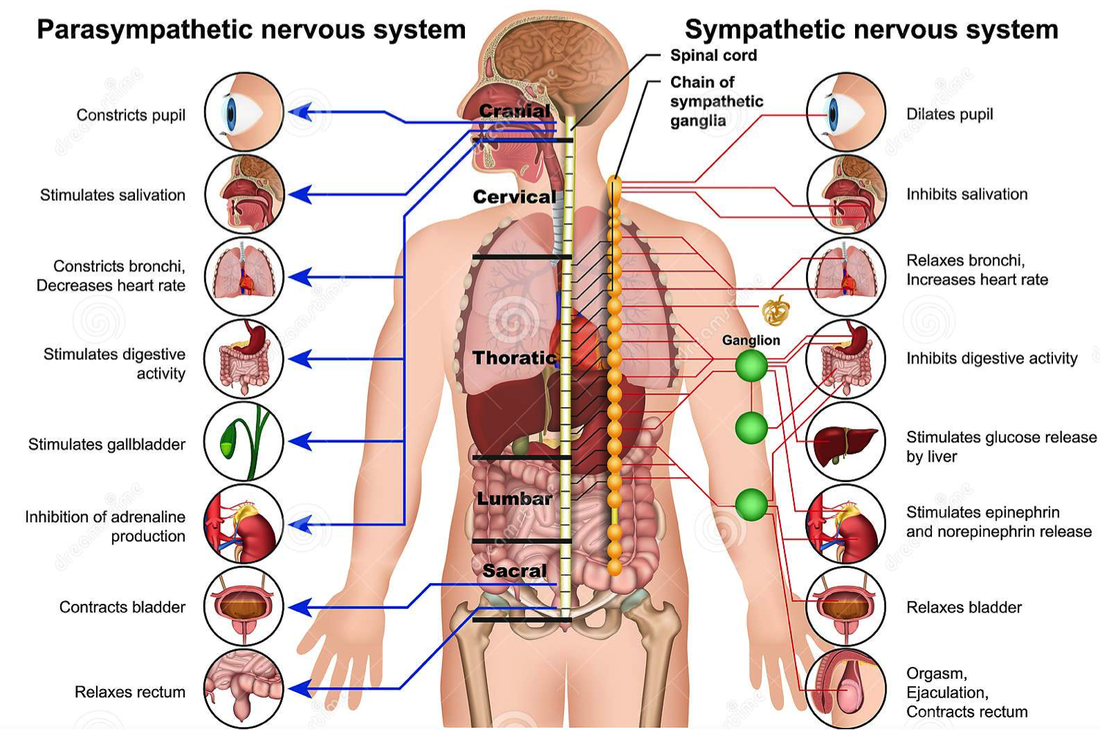
By Creezy Courtoy, IPF Founder and Chair, Anthropologist, Historian and Olfaction Trainer No Sense is More Important than the Olfactory Sense! I really want you to understand that a perfume is not only a smell, it is much more than that and everyone should really know this before learning to become an olfaction trainer, an aromatherapist or a perfumer. When you smell a perfume: -going through your brain, it creates memories and sensations. -it has an action on your nervous system, regulating organs. -it is also a gas and what we breathe has immediate access to our blood. While penetrating through the thin membranes of our lungs, fragrances and perfumes reach the bloodstream much more quickly than the absorption of matter by the digestive tracts. -it influences your hormonal system -it acts on your organs through your nervous system -in the bloodstream, it participates to the irrigation of your organs -it can also modify your DNA and your cell's organization Digestion and the breaking down of solids, like medicinal pills, take much more time reaching the bloodstream, as the absorbed solids must be digested and pass through the thick intestinal wall. These are the reasons making a perfume or blending essential oils has responsibilities. When you teach olfaction training, when you train yourselves, when you create natural perfumes or when you blend essential oils, always study the particularity of the oils. Do not use products without knowing their origins. Olfaction can be dangerous. With essential oils, you can always find data and talk to the person in front of you. With synthetic substances you have no historical data like we have for flowers and plants. Natural Perfumes are more expensive but it is worth to consider ! Perfume, by simple olfaction, sends messages to the nervous system, especially, to the area called "the big sympathetic" which plays a very important role in the maintenance of the health balance of humans.
The nervous system is the supreme organizer of matter, where life emanates. Its actions spread to all the organs where it regulates the different functions to achieve this harmonious whole that is the human body. Besides, it assures the defense of the organism in protecting the body from external attacks. ”The big sympathetic” is made of a double chain of joint ganglia, situated at each side of the backbone. From these ganglia emerge many nerve connections terminating at the vegetative life organs: liver, spleen, lungs, heart, blood vessels, etc. In some regions of the body nerves also form real networks, and insure the communication of the big sympathetic with the central nervous system. The nervous system presides in exchanges, warns of failings, provides the various organ needs and rescues those that are threatened. It directs the natural defenders: the white blood cells or leukocytes, also called phagocytes. The stronger the microbial attack the stronger the defense. Different conditions, by their suddenness or duration, can cause an abrupt disruption in the balance of the nervous system and also on the entire organism. A failing nervous system can occur in different ways: tiredness, insomnia, unaccustomed emotional stress, sudden weight loss, or an uncharacteristic tendency to exaggerate or discourage. If, at this moment, a bacterial attack occurs, the nervous system would not have the necessary strength to fight it. Within the nervous system is the autonomic nervous system, which then contains the sympathetic and parasympathetic nervous systems. These two systems are involuntarily, meaning our body does not have control over what it is being performed. The sympathetic nervous system is known as “fight-or-flight”, while parasympathetic is known as “rest and digest”. Even though they are different, these systems still work hand in hand with one another to help control the way our body works. Sympathetic is almost like an alarm clock, as it arouses the body and stimulates the nerves to start working. On the other hand, parasympathetic helps calm the body down, as it brings the body back to its normal state. Natural essential oils can rebalance your nervous system, therefore it is important to learn aromatherapy and olfaction training before learning natural perfumery. If you want to learn more about the importance of your olfactory sense, if you want to learn how to train, preserve or restore your olfactory sense, enrol for Creezy Courtoy's 8 weeks Olfaction Course. |
Archives
May 2026
Categories
All
|
RSS Feed